
Key Differences Between a Remodel and a Renovation
You stare at your tired kitchen or cramped living room and know that change is overdue. The harder question is which type of change you actually need. Mixing the two paths can lead to budget surprises and timelines that stretch far beyond what was planned.
If you are weighing a renovation versus a remodel, consider how much change your space needs. Vatter Construction explains both options so you can speak more clearly with your general contractor.
What a Renovation Covers
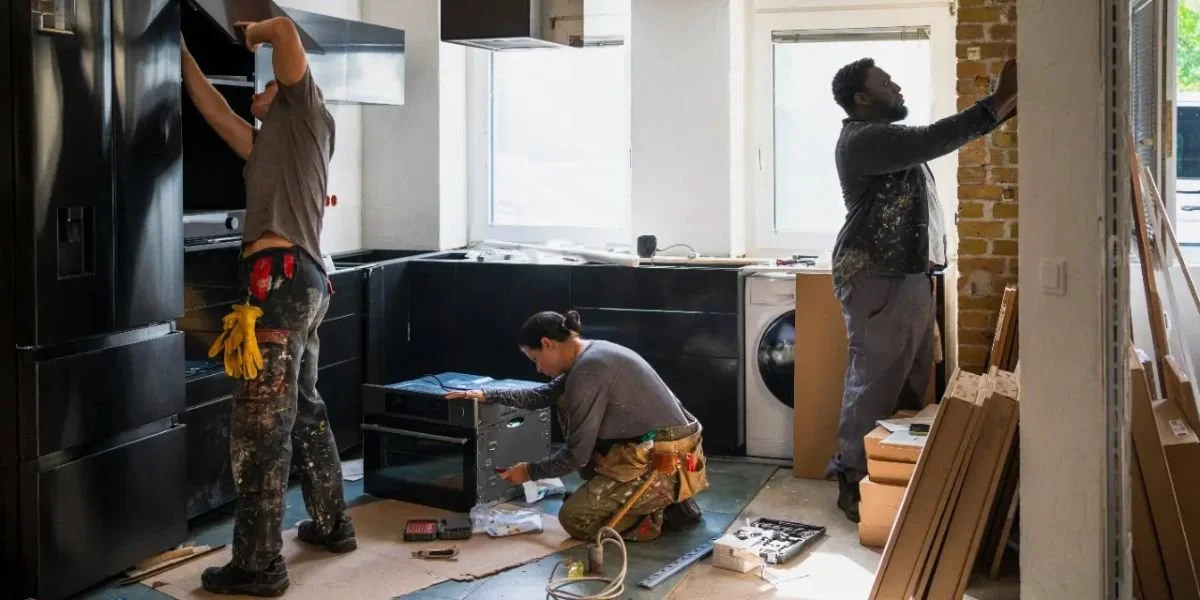
In the renovation-versus-remodel comparison, this is the more affordable option for homeowners ready to refresh without rebuilding. A renovation refreshes an existing space without changing what the room does. Common renovation tasks include:
Fresh paint and finishes: Refresh walls or ceilings to make a dated room feel cleaner and brighter.
Flooring swaps: Replace worn carpet with updated flooring that better suits your space and style.
Fixture upgrades: Add modern faucets or lighting to give an older room a more polished look.
Appliance replacement: Upgrade older units with energy-efficient models that may lower long-term utility costs.
What To Expect From a Home Remodel
A remodel changes how a space functions, not just how it looks. Projects of this scope often highlight the importance of choosing a general contractor versus a handyman, as larger renovations typically require coordinated expertise, permitting, and oversight to ensure everything is completed safely and up to code. Learn how to spot potential red flags in a contractor before signing a final agreement. The sections below explain the planning work and budgeting realities involved.
Layout and Structural Work
Remodels often involve structural changes, such as moving walls or expanding square footage. Your layout may be adjusted to better support how your household uses the space. When permits or engineering review are required, handling them early can prevent costly problems later.
Mechanical System Upgrades
A serious remodel may include new plumbing routes or fresh electrical runs hidden behind the walls. Projects of this scope often highlight the importance of choosing a general contractor versus a handyman, as larger renovations typically require coordinated expertise, permitting, and oversight to ensure everything is completed safely and up to code. When walls are already open, your contractor can address HVAC changes more efficiently. These mechanical updates can support safer, more efficient use of the remodeled space.
Time and Budget Realities
Remodels take longer and cost considerably more than renovations because of their broader scope. Before signing a contract, review home remodel tips to plan your project with more confidence.
Setting realistic expectations early keeps the entire project on track. Surprises in older homes are common, so a budget buffer can make planning easier, especially for larger projects such as a finished basement, where exploring fresh basement remodeling ideas helps reveal hidden structural, plumbing, or electrical needs early on.
Why a Pre-Project Walkthrough Matters
A walkthrough helps confirm whether your project is truly a renovation or a remodel before planning begins. Some rooms seem simple at first, but a closer inspection can reveal deeper construction needs.
Older wiring may change the scope before work begins, especially when walls or ceilings need attention. Hidden moisture can also affect the final plan, as surface updates may not resolve the problem. Uneven floors may require extra preparation before new finishes are installed.
This step helps your contractor explain which updates fit your budget and which need deeper construction. It can also reduce the risk of changing direction once materials have already been selected. With clearer expectations from the get-go, the project timeline feels easier to manage.
How the Project Affects Daily Routines
Daily disruption is another factor to consider before choosing your project type. A renovation may let you keep using nearby rooms while work happens in one area.
A remodel can affect access when major fixtures or walls are involved. This matters most for kitchens because meal preparation may need a temporary setup.
Bathroom remodels can also require extra planning when the home has limited bathrooms. Talking through these details early helps your contractor plan around your routine.
Renovation vs. Remodel: What Your Home Really Needs
Before you call a contractor, think carefully about what your home actually needs. The points below can help you compare the level of work and expected investment:
Scope of work: A renovation updates visible surfaces without changing how the room functions. A remodel changes the structure or layout.
Budget range: Renovations usually cost less because they focus on cosmetic updates. Remodels cost more when framing or system work is involved.
Timeline expectations: Renovations may finish in a few weeks when the scope is simple. Remodels often take longer because they require more extensive planning.
Property value increase: Both options can improve resale potential when the work is done well. Remodels may offer stronger returns when they solve layout problems.
Plan Your Home Improvement Project With Vatter Construction
Now you can see how choosing between a renovation and a remodel comes down to the work involved. Vatter Construction helps homeowners plan effectively before work begins.
The right approach can also support home improvements that add value without overextending your budget. Whether you are refreshing one room or reworking the entire floor, our crew brings precision and care to every detail. Call Vatter Construction at (717) 990-7789 today to begin your next project.
Double-click to edit...
