You’ve inherited an older house with original details worth preserving, but years of deferred maintenance require attention. As you explore home remodeling in Lancaster, the first challenge is deciding what to restore and where upgrades are necessary.
In this guide, Vatter Construction explains the key considerations for remodeling historic homes.
Check Which Rules Apply to Your Property
Age alone does not determine whether a house faces preservation restrictions. Historic renovation regulations depend on its location and the proposed scope of work.
Ask your municipality whether the address falls within a protected district or has an individual designation. Confirm which approvals are required, since preservation review is separate from a standard building permit.
Identify the Features Worth Preserving
Research the home’s construction date and past alterations to guide preservation decisions. Reviewing American house styles can help you identify features associated with its architectural era.
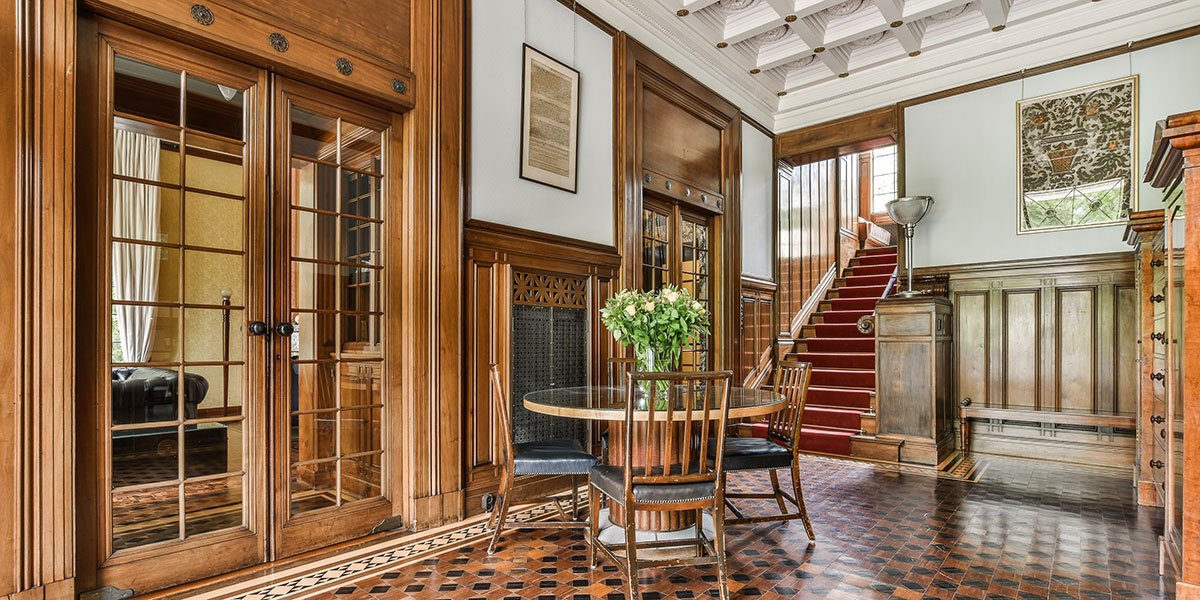
Document original architectural features, such as woodwork or window proportions, before demolition. Assess whether damaged elements can be repaired, and use period-appropriate materials where replacement is necessary.
Assess the Building Before Planning Cosmetic Changes
When remodeling historic homes, qualified professionals should examine the following conditions:
Foundation and framing: Cracks or shifting may indicate structural instability.
Moisture intrusion: Leaks may cause hidden water damage.
Previous alterations: Existing conditions may reveal undocumented changes.
Hazardous materials: Testing may detect lead or asbestos before work begins.
Complete necessary structural repairs and restoration before installing new finishes to avoid costly rework later.
Balance Modern Comfort With Historic Character
When adding modern features, focus on changes that preserve the original layout. Coordinate electrical work and plumbing routes early to reduce unnecessary demolition.
Kitchen modifications or accessibility improvements should address how occupants use the space. Choose insulation and ventilation methods suited to the building’s construction.
Allow for Unexpected Costs and Delays
Base your contingency allowance on the project’s scope and assessment findings, leaving room for concealed problems uncovered during construction. Custom fabrication or hard-to-source materials may also require longer lead times.
Consider completing work in phases if spreading expenses would make the renovation more manageable. Agree on practical stopping points with your contractor to limit disruption between stages.
Keep Clear Records for Future Maintenance
Keep a project file containing approved drawings and photographs of completed work. Record concealed service routes so future contractors can locate wiring or plumbing without unnecessarily opening finished surfaces.
Include product specifications and care instructions for repaired features, especially custom pieces that may need specialist attention. Store digital copies somewhere accessible. Share relevant details with future owners to simplify maintenance and preserve a clear renovation record.
Start Planning Your Historic Home Remodel
Vatter Construction provides design-build remodeling for historic and older properties throughout Lancaster and the surrounding area. We complete the design and preconstruction phases before on-site work begins. Careful planning helps prevent remodeling mistakes that lead to costly change orders.
Each project ends with a final walkthrough and warranty information. For guidance on remodeling historic homes, contact our team at (717) 990-7789.
Double-click to edit...