
Types of Construction Delays and How Contractors Prevent Them
Watching your home renovation stall for weeks can turn an exciting project into a source of daily stress and disrupt your family's routine. Understanding the types of construction delays, including late shipments and permitting holdups, helps you recognize warning signs before they derail your project and test your patience.
Vatter Construction LLC, a trusted design-build general contractor in Lancaster, PA, serves families across Lancaster and Chester counties. Our mission is to change the way families interact in and through spaces that improve everyday life. We make good on that promise by reducing the friction that often slows traditional construction.
Some setbacks stem from forces no one can fully control, including severe weather or a regional supply shortage. Many others are preventable through cohesive planning, clear scheduling, and a team that stays aligned from the first sketch through the final walkthrough.
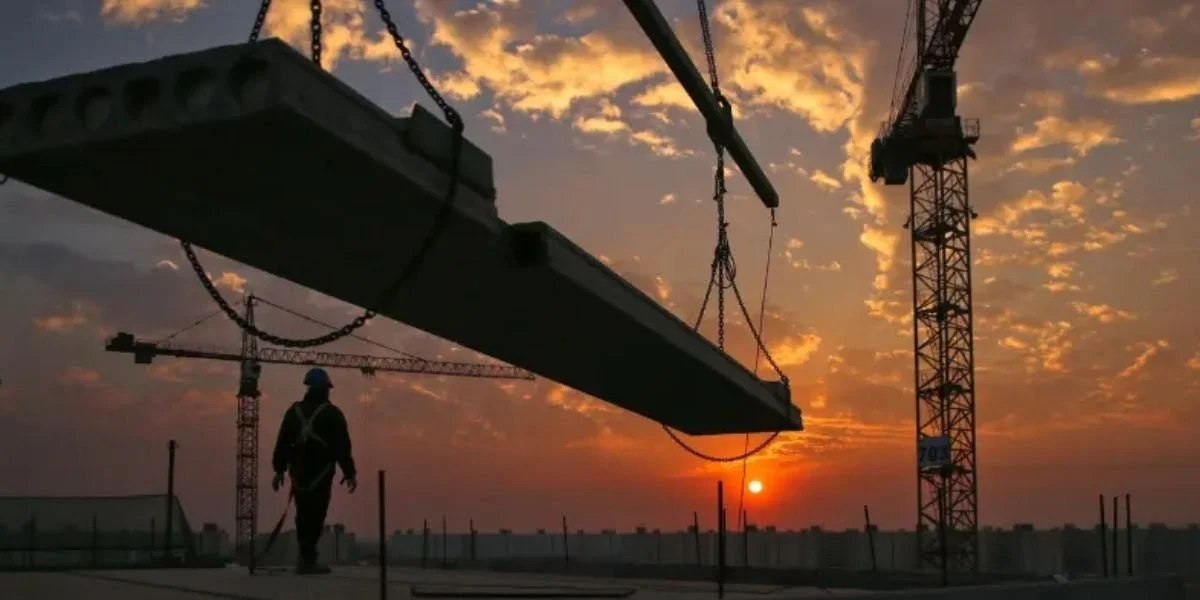
The Primary Types of Construction Delays
Every project, whether a small kitchen refresh or a full home addition, carries some risk of falling behind schedule. Weather delays get plenty of attention, but many common construction delays begin with decisions made long before a storm arrives. Most issues fall into one of the following five categories:
Design and scope changes: When design and construction teams work separately, plans can shift mid-project, requiring crews to redo finished work.
Material delivery delays: Custom cabinetry and specialty tile can arrive weeks late, which is why choosing the best time to remodel and securing long-lead orders early helps keep schedules intact. Imported fixtures may cause similar setbacks and stall the trades scheduled afterward.
Permitting and inspection delays: Incomplete paperwork may delay approval before work starts. A backlog at a borough or township office can cause another delay.
Subcontractor scheduling conflicts: Poor coordination between plumbers and electricians can leave crews idle, forcing carpenters to work out of sequence.
Unforeseen site conditions: Older homes across Lancaster and Chester counties may hide water damage or outdated wiring. Framing problems can also surface only after demolition begins.
Left unaddressed, any one of the above issues can push a timeline back by weeks, if not longer. Knowing the steps to take before hiring a contractor can help homeowners identify these risks early, well before signing a contract.
How Vatter Construction's Design-Build Model Prevents Delays
Vatter Construction's design-build model places design and construction under one roof, where many potential problems end before they start. Here's how the process supports steady project scheduling and keeps crews moving:
Single-source accountability: Designers, builders, and project managers collaborate from day one to identify structural concerns and long material lead times before demolition begins.
Early material selections: Cabinet and flooring selections are finalized during design so the materials can arrive before demolition. Bathroom fixtures follow the same schedule.
Proactive permitting and local code compliance: The team navigates local building rules throughout Lancaster and West Chester, coordinating permit reviews and inspections before crews arrive.
Coordinated trade scheduling: Rigorous systems keep each trade moving in sequence. This avoids downtime and prevents crews from overlapping.
Pre-demolition assessments and communication: The team checks foundations and framing before work begins. Regular updates help everyone adjust quickly if demolition reveals a hidden condition
Together, these habits reflect the kind of contractor planning that keeps a remodel on schedule from permitting through the final walkthrough.
The Vatter Construction Commitment to Homeowners
Good construction management means more than sticking to a schedule. It requires integrated design-build projects where designers and builders collaborate early to reduce costly mid-project revisions. It also means transparent pricing and honest timelines, so homeowners always know what comes next. Clear communication from the first meeting gives families confidence as the work progresses. Kitchen and bathroom remodels follow the same standards of craftsmanship and communication, helping homeowners plan everything from minor updates to major layout overhauls. That approach also applies to basement renovations and home additions. Full-home renovations receive the same careful oversight, helping keep timelines realistic and surprises to a minimum.
Build Your Next Project With Vatter Construction
At Vatter Construction LLC, we've seen how construction delays can turn an exciting remodel into a waiting game and how the right process keeps the work moving. If you're weighing your options, understanding the differences between a general contractor and a handyman can help you choose the right partner for the work ahead.Careful planning and thoughtful design guide every project we take on. Reliable management and clear communication carry that plan through construction. We proudly transform homes throughout Lancaster and Chester counties. Our service area also includes West Chester and surrounding communities.Ready to transform your home with a smoother remodeling experience designed to reduce stress and minimize delays? Call Vatter Construction LLC at (717) 876-8529 to schedule your initial consultation, and let's build something great together!
Double-click to edit...
