
Homeowners in Lancaster and West Chester often ask, "Do you tile a kitchen floor before installing cabinets?" and Vatter Construction is here to help.
We're a leading renovation and general contractor in the Lancaster and West Chester, Pennsylvania, region, and we help clients understand how the sequence affects durability, layout options, and long-term convenience.
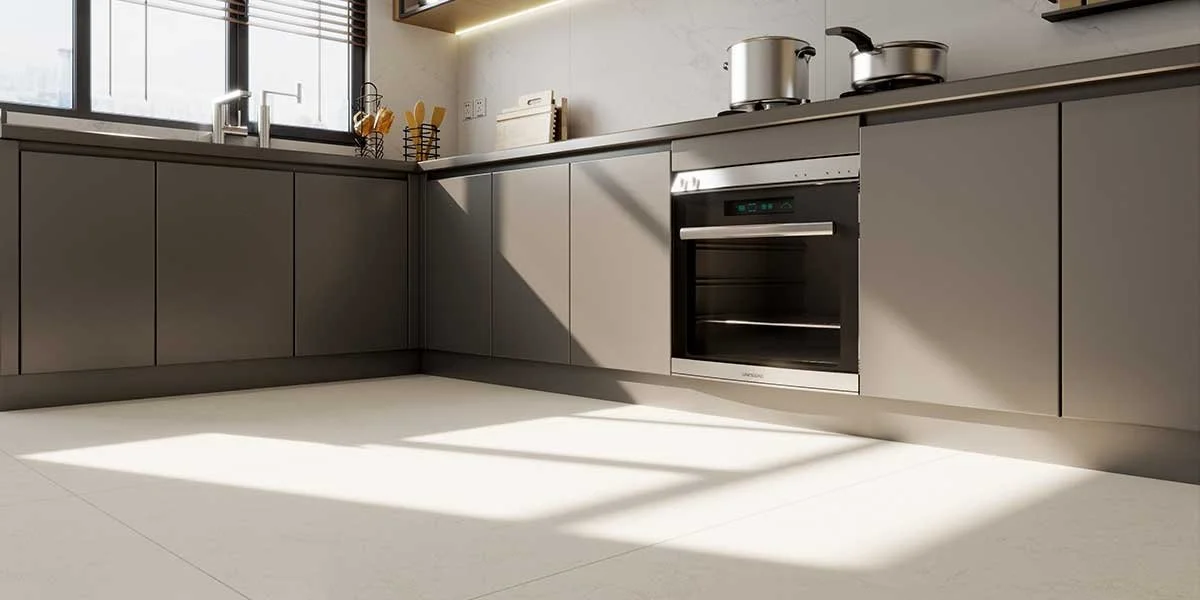
Why Tile Before You Install the Cabinets
Tiling first creates a clean, continuous surface that supports future renovation flexibility. When the tile runs wall to wall, homeowners avoid exposed subfloor, awkward transitions, and trapped appliances.
A fully tiled footprint also simplifies layout changes years later, whether you want new cabinets, a larger island, or a revised traffic path. Tile height matters as well. Adding mortar and tile underlayment raises the finished floor height.
Installing the flooring first keeps spaces like the dishwasher opening tall enough and prevents clearance problems.
Strengthen the Project With Careful Subfloor Preparation
Every great tile installation begins with thorough subfloor preparation. Contractors inspect for flatness, strength, and the proper structure. A flat and stable subfloor supports the tile, prevents cracks, and allows the contractor to set cabinets level.
The right underlayment holds everything in place and ensures long-term performance, especially in older Pennsylvania homes where floors often settle. Local experts fix structural issues early, so the finished tile feels solid everywhere in the room.
Improve Results With a Smart Approach to Cabinet Installation
Tile-first sequencing streamlines cabinet installation. Contractors set cabinets on a level, consistent surface instead of navigating patches or uneven heights. Dishwashers slide in smoothly, and future appliance replacement becomes simple.
Trim and toe-kick pieces fit better, too, because the tile lines stay even. If the cabinets go down first, the tile often traps the dishwasher or exposes mismatched edges. Tiling the full room prevents these issues and supports a professional finish.
Know When You Should Tile After the Cabinets
Certain projects still work better when the cabinets go in first. Floating floors require room for flooring expansion, so the cabinets must sit on the subfloor rather than the finished surface.
Budget-conscious projects may tile only walking areas, although this limits long-term layout flexibility. Very heavy stone tile can also justify tiling around cabinets in older homes with structural concerns.
These situations are less common in recent years, but homeowners should still consider them in appropriate situations.
Plan Every Detail Before You Begin
Successful remodels rely on thoughtful layout planning. Contractors review appliance clearances, traffic patterns, and your cabinet ideas as they finalize the design. Professionals ensure that transitions into nearby rooms look intentional and that tile patterns sit centered in visible areas.
Choose the Vatter Construction Team for a Confident Result
So, do you tile a kitchen floor before installing cabinets? For complete kitchen remodeling, Vatter Construction recommends tiling the entire kitchen floor before installing the cabinets. The approach protects, improves flexibility, and delivers a polished look.
Call Vatter Construction at (717) 696-0701 to discuss your kitchen goals and build a plan that fits your home perfectly.
Double-click to edit...
